 BooksCurated
Finding the reading guides
24 July 2026
Somewhere on your shelf is a 500-page book with a bookmark at page 60 that's been there since last year. It silently judges you every time you consider buying a new one.
Here's a different theory: you don't have a discipline problem, you have a book-length problem. Finishing books builds the habit of finishing books. So start short. Every book below can be finished in a weekend, several in a single sitting.
(A note before the list: some of the links below are affiliate links — buying through them costs you nothing extra, and helps keep this site running.)
 ₹ Budget#1
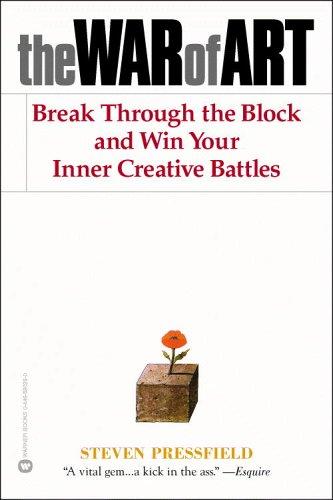
Steven Pressfield
Pressfield's diagnosis, worth two pages of your time: the amount of Resistance you feel toward starting something is a direct measure of how much that thing actually matters to you. If you're dreading it, that dread is information, not a stop sign.
 ₹ Budget#2
Brian Tracy
Tracy's whole system in one instruction: decide the night before what your single hardest task is, your "frog," and do it first thing, before email, before anything easier. Everything else on the list gets lighter once the worst thing is already done.
 ₹ Budget#3
Morgan Housel
A different angle than the usual money advice: Housel argues your savings rate matters more than your income or your investment returns, because it's the one variable you actually control day to day. Twenty essays, each short enough for one chai break.
 ₹₹ Mid-range#4
Michael Bungay Stanier
There's a question buried in here, less famous than Stanier's opener, that's easy to miss on a fast read: "What do you want from me?" Asked before you jump in to help, it stops you from solving the wrong problem, the one you assumed instead of the one they actually have.
 ₹ Budget#5
George Clason
A second rule from the parables, less quoted than "pay yourself first" but just as useful: money saved and left sitting idle isn't actually working for you. The parables are really about putting savings somewhere it grows, not only about the saving itself.
 ₹₹₹ Premium#6
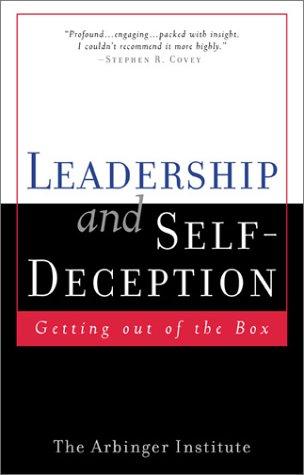
The Arbinger Institute
The mechanism, worth two hours of reading: the moment you sense you should do something for someone and don't, you start justifying that choice by seeing them less generously than before. Most workplace conflict traces back to that first small betrayal of your own instinct, not to the other person being difficult.
 ₹₹₹ Premium#7
Patrick Lencioni
The starting point Lencioni keeps circling back to: real trust on a team isn't built by competence, it's built by someone admitting a weakness or mistake out loud first. Teams that can't do that small thing can't do the harder things, like real disagreement, later.
 ₹₹₹ Premium#8
Tom Rath
One specific tip from the book: a short walk right after eating, even two minutes, measurably blunts the blood sugar spike from the meal. It's full of small trades like that one, easy enough that "I don't have time" doesn't really hold up.
 ₹₹ Mid-range#9
Gary Keller
The habit version of the book's one idea: ask the focusing question first thing each morning, before email, not just once as an exercise. Keller's argument is that it only works once it's a reflex, not a one-time insight you had in the shower.
 ₹₹₹ Premium#10
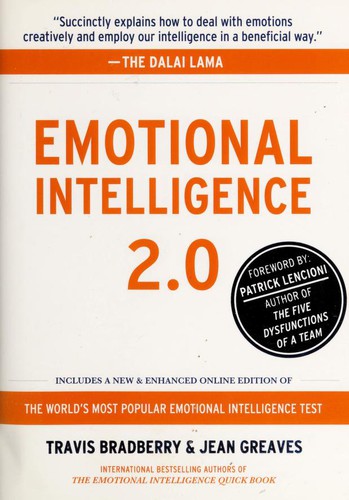
Travis Bradberry
One strategy from the book that needs zero prep: when a strong emotion hits mid-conversation, silently name it, not "I'm upset," but specifically "this is defensiveness" or "this is embarrassment." Bradberry's research-backed claim is that naming an emotion that precisely measurably loosens its grip within seconds, before you say something you'll walk back later.
One more push: when you finish your first book in months, and you will, resist the urge to immediately buy a 600-page reward. Finish three short ones first. Momentum beats ambition.
If none of these ten grab you, that's fine — our quiz asks how you actually read before it suggests anything, so the next pick is sized to you specifically.
Not sure what to read next?
Take the 2-minute quiz