 BooksCurated
Pulling the reading lists
Non-fiction is the easiest category to waste money in. A lot of it is one decent essay padded to 300 pages, and the bestseller list rarely tells you which is which. Everything below is in our catalogue because someone read enough of it to judge whether the idea justifies the page count.
Not sure which to start with?
The quiz asks seven quick questions and narrows the whole catalogue down to a few that fit.
Take the quiz
Marshall Rosenberg
A structured method for expressing feelings and needs honestly, and hearing others', without triggering defensiveness or conflict.
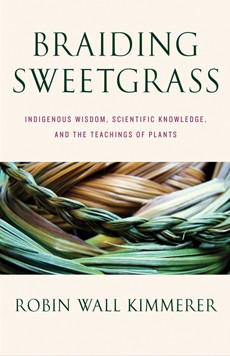
Robin Wall Kimmerer
A botanist and Indigenous scholar weaves scientific knowledge and traditional ecological wisdom into a meditation on the natural world.

Matthew Walker
A neuroscientist's exploration of what sleep actually does for the brain and body, and why chronic sleep deprivation carries serious long-term health costs.
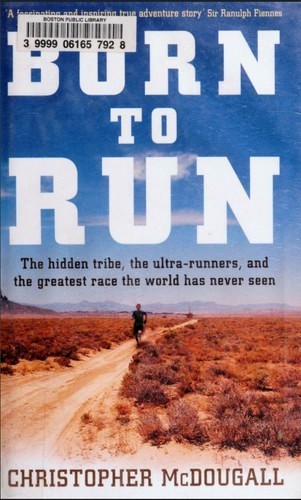
Christopher McDougall
A narrative account of a reclusive tribe of long-distance runners in Mexico's Copper Canyons, woven together with research on human endurance running and injury prevention.

Michael A. Singer
A guide to separating your sense of self from the constant inner chatter of the mind, toward a freer, more spacious way of being.

John Carreyrou
The investigative account of Theranos, the blood-testing startup that raised billions on fraudulent claims, and how a Wall Street Journal reporter uncovered the deception.

Burton G. Malkiel
A classic argument for the efficient market hypothesis and low-cost index investing over stock picking or market timing, first published in the 1970s and updated many times since.

Viktor Frankl
A psychiatrist's account of surviving Nazi concentration camps, and the theory of finding meaning through suffering that grew out of the experience.

Camille Fournier
A guide to every stage of growth in tech management, from mentoring your first report through becoming an executive.
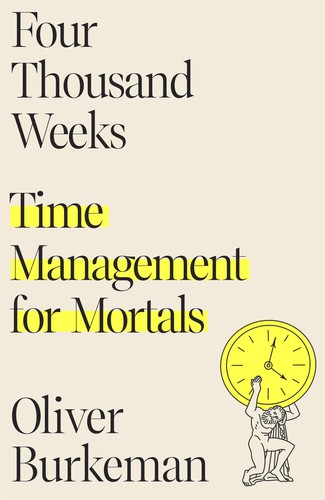
Oliver Burkeman
A meditation on time management that starts from the premise of a roughly four-thousand-week human lifespan, arguing against productivity hacks in favor of accepting finitude and choosing what matters.
Andy Grove
Intel's former CEO breaks management down to its fundamentals: leverage, output, and the small set of activities that actually move a team forward.
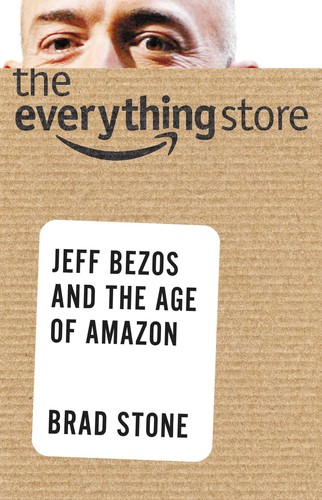
Brad Stone
A deeply reported history of how Amazon grew from an online bookstore into one of the most powerful companies in the world, and the relentless founder who built it.
Books like Thinking, Fast and Slow give you a mental model you'll reuse for years but ask real effort. Narrative non-fiction like Educated goes down easily and changes how you see something without demanding study. Neither is better — but picking the wrong mode for your current energy is the most common reason a non-fiction book stalls at chapter three.
A surprising number of popular non-fiction titles are a strong 40-page argument stretched to fill a book contract. That's fine if you enjoy the examples, frustrating if you wanted the argument. If you mostly want the idea, start with the shorter titles here — they tend to be denser per page, not lighter.
Non-fiction sticks when you can apply it within a week or two. A book on management lands very differently when you're three weeks into managing people than when you're reading it speculatively. If nothing here maps to something live in your life right now, fiction is often the better use of your reading time.
Some links on this page are affiliate links — see our affiliate disclosure.