 BooksCurated
Finding the reading guides
7 August 2026
You've started before. New shoes, a gym membership, maybe a fitness app with a streak counter. It lasts three weeks, then life happens once, and the streak breaks, and somehow that one break is enough to stop the whole thing. These ten aren't about the first week, they're about the fortieth.
(Worth knowing: this post contains affiliate links. Nothing changes about the price you pay if you use one.)
 ₹₹₹ Premium#1
Michael Matthews
Here's the unglamorous part before you start: progressive overload, adding a small, specific amount of weight or reps every week, tracked on paper, beats any workout "program" you could buy. Matthews' actual argument against most fitness content is that it sells novelty when what works is boring repetition with a number that goes up.
 ₹₹₹ Premium#2
Michael Easter
The specific practice worth trying: deliberately choosing the harder, less convenient physical option, stairs instead of the lift, walking instead of the cab, carrying instead of wheeling, as a standing rule rather than a decision made fresh each time. Easter's case, backed by his own month-long hunting trip in the Arctic, is that modern convenience has quietly engineered discomfort out of daily life, and your body notices.
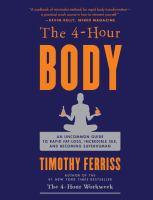 ₹₹₹ Premium#3
Timothy Ferriss
Skip the more extreme experiments and take one idea: the "minimum effective dose," the smallest amount of exercise that produces a real result, so you stop over-planning workouts you'll quit and start doing the smaller version you'll actually finish. Ferriss's own example is two 30-minute strength sessions a week outperforming the five-day plan most people abandon by week two.
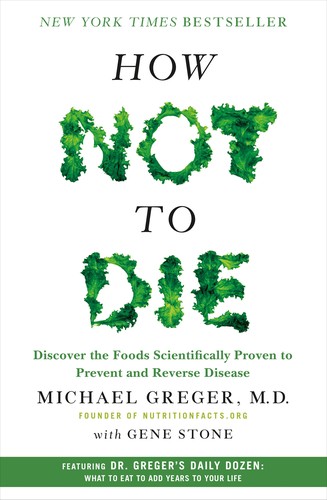 ₹₹₹ Premium#4
Michael Greger
Not primarily an exercise book, but the connective idea matters: consistent movement only compounds if the fuel behind it does too, and Greger's daily dozen checklist, beans, berries, greens, and a few others, is a simpler habit anchor than counting calories after a workout. Read it for the one chart, skip the four hundred citations unless you want them.
 ₹₹₹ Premium#5
John J. Ratey
The mechanism most people don't know: regular moderate exercise raises your baseline tolerance for anxiety by changing the trigger threshold in your amygdala, which is why regular exercisers report feeling calmer within a few weeks, not just fitter. That mood payoff shows up faster than any visible change in the mirror, and Ratey's real argument is that people who quit are usually the ones only watching for the slower, physical reward.
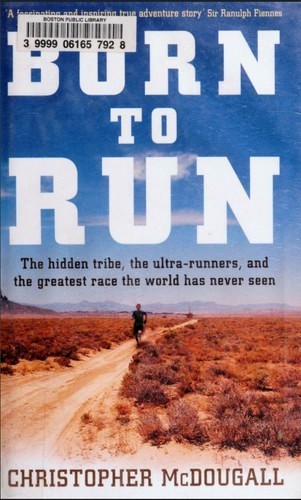 ₹₹ Mid-range#6
Christopher McDougall
The part that matters more for building a habit than the shoe debate everyone remembers: the Tarahumara don't run alone as punishment, they run together, socially, often ending in a shared celebration. McDougall's real argument is that running attached to community outlasts running attached to a solo willpower project by years, not weeks, worth remembering if your habit currently exists only as a solitary line on your calendar.
 ₹₹₹ Premium#7
Chris Crowley and Henry Lodge
The biological case, useful on the days motivation is low: Crowley and Lodge argue your cells only receive a growth signal when you move, and that signal drops off within a handful of sedentary days, at which point decay signaling measurably takes over instead. It reframes a rest day less as something you've earned and more as a countdown, a sharper nudge than "it's good for you."
 ₹₹ Mid-range#8
David Goggins
A tool from the book that's easier to use daily than his famous 40% rule: the "cookie jar," a specific memory of a time you already pushed through something hard, pulled out and replayed deliberately the moment you want to skip a session. It works because it's evidence, not motivation, you already have proof you can do the hard thing, the jar just makes you remember it on cue.
 ₹₹₹ Premium#9
Dan Buettner
The habit-mechanics finding, not the diet one: across the communities Buettner studied, movement stayed consistent for decades not because anyone was more disciplined, but because a tight social circle, a "moai" in Okinawa, quietly expected it of them. Willpower is fragile; a friend group that notices when you skip is not.
 ₹₹₹ Premium#10
Tom Rath
The specific swap worth making this week: a short walk right after eating, even two minutes, measurably blunts the blood sugar spike from the meal. Rath's whole book is built from small trades like that one, deliberately too easy to have a good excuse to skip.
If there's one thread through all ten: the people who stick with it stopped treating exercise as a separate project with a start and end date, and started treating it as a default, like brushing your teeth. That shift takes longer than three weeks. Give it the fortieth day before you decide it isn't working.
Everyone's "sticks past week three" looks different, though — the quiz below is built to figure out yours specifically, instead of guessing from a list.
Not sure what to read next?
Take the 2-minute quiz