 BooksCurated
Finding the reading guides
3 August 2026
You've probably checked your phone at least once since opening this page. That's not a character flaw, it's a system that's been engineered by very smart people to make checking it feel necessary. Getting your focus back means understanding the system, not just trying harder.
(Standard disclosure: a handful of links below are affiliate links. Same price either way, small commission on our end if you buy through them.)
 ₹ Budget#1
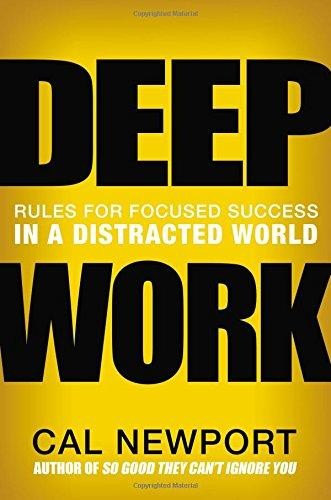
Cal Newport
Newport cites research suggesting it takes over 20 minutes to fully re-focus after a single interruption — so checking a notification "just for a second" mid-task can cost you far more than the second it took to look. His fix isn't willpower, it's structural: batch shallow tasks like email into fixed windows so deep tasks never get interrupted in the first place.
 ₹₹ Mid-range#2
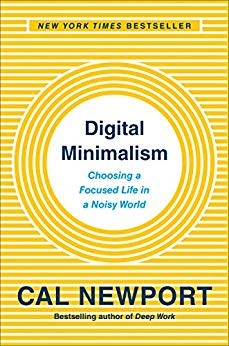
Cal Newport
The specific exercise, not just the advice to "use your phone less": a 30-day declutter where you remove every optional app, then reintroduce only the ones you can name a specific value for and a specific rule for when you'll use them. Most people who do the exercise, Newport found, never reinstall half of what they removed.
 ₹₹ Mid-range#3
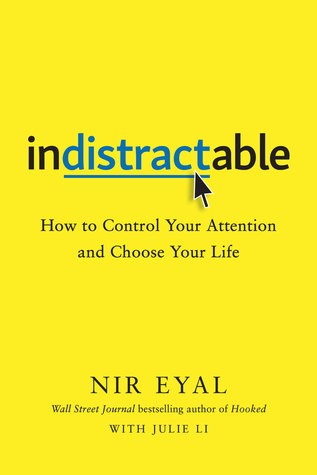
Nir Eyal
The distinction Eyal draws that most focus advice skips entirely: "traction" moves you toward what you actually planned to do, "distraction" moves you away from it, and the same app, even the same tab, can be either one depending on whether you opened it on purpose. His fix isn't blocking apps, it's scheduling your intentions in advance so you can tell the difference in the moment.
 ₹₹ Mid-range#4
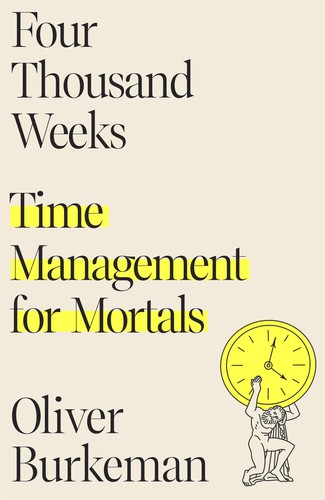
Oliver Burkeman
The permission-slip idea, worth sitting with: you will never get to everything, no productivity system changes that math, so the real skill is picking what to neglect on purpose instead of by accident. It reframes focus less as a discipline problem and more as a decision you're currently avoiding making.
 ₹₹ Mid-range#5
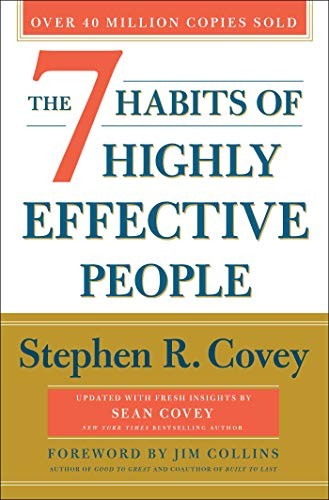
Stephen R. Covey
Habit 3, the one worth extracting on its own: sort tasks by urgent versus important, not just by deadline, and protect time for the important-but-not-urgent quadrant before it becomes a crisis. Covey's book is dense and occasionally preachy, but that one matrix has outlived every to-do app built since.
 ₹ Budget#6
Carol S. Dweck
The distraction connection Dweck's research surfaces indirectly: a fixed mindset, believing your focus or discipline is a fixed trait you either have or don't, makes you give up on hard, boring tasks faster, because struggling feels like proof you're bad at it. Treating focus as a skill you're building changes how long you stay with something difficult.
 ₹₹ Mid-range#7
Cal Newport
Newport's argument here, distinct from his focus books: "follow your passion" is bad advice, because passion is usually a byproduct of getting genuinely skilled at something, not a prerequisite for starting. Deep, sustained focus on skill-building is what creates the interest people mistake for passion after the fact.
 ₹ Budget#8
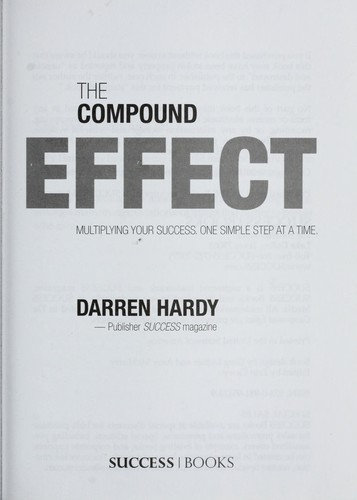
Darren Hardy
Hardy's specific case: a small daily distraction, five extra minutes on your phone repeated across a year, compounds into roughly 30 lost hours, invisible day to day, enormous in aggregate. The same math works in reverse for small focused blocks, which is Hardy's actual point.
 ₹₹ Mid-range#9
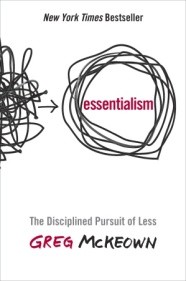
Greg McKeown
The filter worth applying before you agree to anything: "hell yeah or no." If a task or request doesn't provoke genuine enthusiasm, McKeown's case is that a polite no protects the focus you need for the few things that do.
 ₹₹ Mid-range#10
Gary Keller
The single question worth asking each morning: "what's the one thing I can do such that, by doing it, everything else becomes easier or unnecessary?" Keller's argument is that this only works as a daily reflex, not a one-time insight you had while reading the book.
If you take one thing from this list: the fix for distraction usually isn't a better app or a stricter rule, it's understanding what you're actually avoiding when you reach for your phone. Newport and Eyal disagree on plenty, but they agree on that.
Newport and Eyal wrote for different kinds of distracted — if you're not sure which one describes you, the quiz below sorts that out before recommending anything.
Not sure what to read next?
Take the 2-minute quiz