 BooksCurated
Finding the reading guides
13 September 2026
Negotiation isn't just salary discussions and used-car lots. It's asking your team to work the weekend, telling a friend their plan doesn't work for you, or getting a toddler to put shoes on. These ten cover the actual mechanics, not just the confidence pep talk.
(In the interest of full disclosure: some of the book links below are affiliate links, at zero extra cost to you if you use one.)
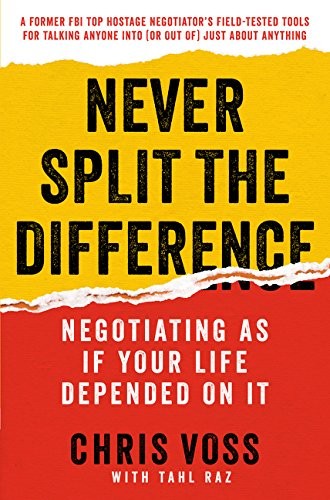 ₹₹ Mid-range#1
Chris Voss
From a former FBI hostage negotiator, two tactics worth trying this week: "mirroring," repeating the last few words someone said back to them, which reliably gets people to elaborate further, and "calibrated questions," open questions like "how am I supposed to do that?" that get the other person solving your problem for you instead of you making demands.
 ₹ Budget#2
Dale Carnegie
Nearly a century old and still correct on this one point: "the only way to get the best of an argument is to avoid it." Carnegie's other durable observation, that a person's own name is, to them, the sweetest sound in any language, sounds obvious until you notice how rarely people actually use it in conversation.
 ₹₹₹ Premium#3
Douglas Stone, Bruce Patton, and Sheila Heen
This one's from the Harvard Negotiation Project, and its central claim is that three conversations are actually happening at once in any hard talk: the "What Happened" conversation (facts, who's right), the Feelings conversation (what everyone's actually upset about), and the Identity conversation (what this says about who you are). Arguing only the facts while ignoring the other two is why "logical" arguments so often go nowhere.
 ₹₹ Mid-range#4
Kerry Patterson, Joseph Grenny, Ron McMillan, and Al Switzler
The core finding worth remembering: the moment someone feels attacked or disrespected, their brain physically stops being able to think clearly, so "winning" the specific point becomes impossible until safety is restored first. Making it safe matters more, and comes first, before you make your actual case.
 ₹₹₹ Premium#5
Marshall Rosenberg
The four-part structure worth practicing: state a neutral observation, name the feeling it brings up, name the need underneath that feeling, then make a specific request. "You arrived twenty minutes after we agreed" lands completely differently than "you're always late," even though both might be describing the exact same event.
 ₹₹₹ Premium#6
Henry Cloud and John Townsend
The reframe worth sitting with: a boundary was never about controlling what someone else does, it's about deciding what you will and won't do in response. Counterintuitively, a clear no in one place is often what makes a genuine, un-resentful yes possible somewhere else.
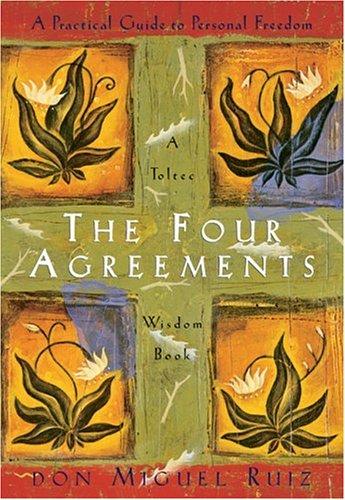 ₹₹ Mid-range#7
Don Miguel Ruiz
The most spiritual, least tactical book on this list, worth knowing before you pick it up. The first agreement, "be impeccable with your word," built on Toltec wisdom rather than negotiation research, is still a useful standard: say only what you actually mean, and don't use words against yourself or others.
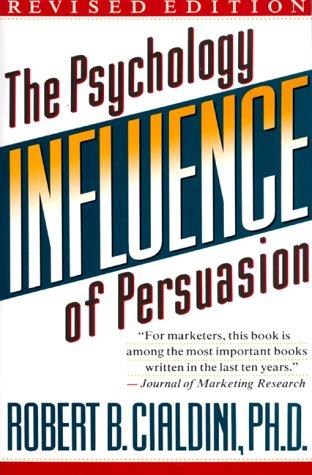 ₹₹ Mid-range#8
Robert Cialdini
A different lever than the one usually quoted: "commitment and consistency." Once someone makes even a small, voluntary commitment, out loud or in writing, they feel real internal pressure to act consistently with it later. It's why getting a small "yes" early in a negotiation, even to something minor, measurably improves your odds on the bigger ask that follows.
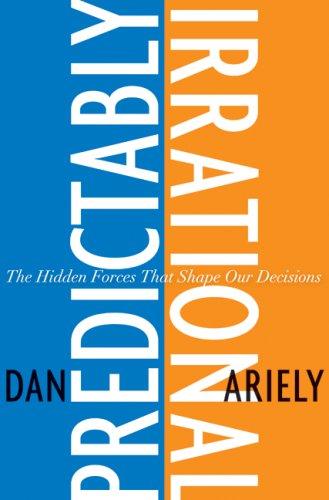 ₹₹ Mid-range#9
Dan Ariely
The specific finding worth using at the start of any price negotiation: whichever number gets said first "anchors" the entire rest of the conversation, even when everyone involved knows the number was arbitrary. Being the one to name a number first, deliberately, is a real tactical advantage, not just confidence.
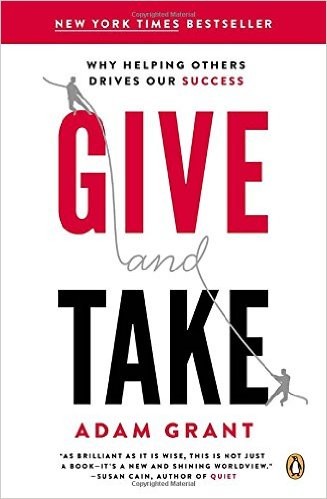 ₹₹₹ Premium#10
Adam Grant
A different finding than Grant's usual giver/taker framework: his research on negotiators specifically found that the ones who ask more questions and frame their ask around the other side's actual interests, not just their own, get better long-term deals than pure competitors do. Being "otherish" isn't weakness at the negotiating table, it's a documented edge.
If you only try one tactic this week: Voss's calibrated questions. "How am I supposed to do that?" defuses more standoffs than any amount of confident posturing.
There's probably one specific conversation you're avoiding right now — tell the quiz below a bit about it and it'll point you toward whichever of these actually applies.
Not sure what to read next?
Take the 2-minute quiz