 BooksCurated
Finding the reading guides
25 August 2026
Nobody made you interview for this. Your manager left, or the team grew, or you were simply the most senior person left standing, and one day HR sent you a title change instead of a question. If that's you, these ten aren't about ambition, they're about not drowning in the first ninety days.
(Disclosure, briefly: some links here are affiliate ones, which means a small commission for us if you buy, nothing extra for you either way.)
 ₹ Budget#1
Stanley McChrystal
McChrystal's core shift, useful the moment you realize you can't personally approve every decision anymore: push trust and decision-making authority down to whoever's closest to the problem, and accept that means some decisions will be made slightly differently than you'd have made them. Control that tightly held stops scaling the moment your team grows past a handful of people.
 ₹₹ Mid-range#2
David Maister
Learn this formula fast: trust equals credibility plus reliability plus intimacy, divided by self-orientation. The last variable is the one new managers get wrong most — the more a conversation is secretly about protecting your own position, the less anyone trusts what you say, even if every word is technically accurate.
 ₹₹₹ Premium#3
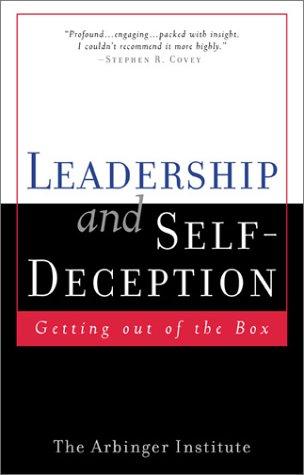
The Arbinger Institute
The mechanism worth knowing before your first difficult conversation: the moment you sense you should do something for someone and don't, you start quietly justifying that choice by seeing them less generously than before. Most new-manager conflict traces back to that first small self-betrayal, not to the other person actually being difficult.
 ₹₹₹ Premium#4
Christina Wodtke
Told partly as a business fable rather than a textbook, which makes the actual mechanic easier to copy: a five-minute weekly check-in per person, where they name one thing that helped their goals and one thing that hurt, done every week without exception. The ritual matters more than the format.
 ₹₹₹ Premium#5
John C. Maxwell
The specific shift worth naming for yourself: from "production" to "production through others," the exact pivot that trips up almost everyone promoted for being good at the individual work they're now expected to stop doing personally. Naming which shift you're mid-way through makes the discomfort feel less like failure.
 ₹₹₹ Premium#6
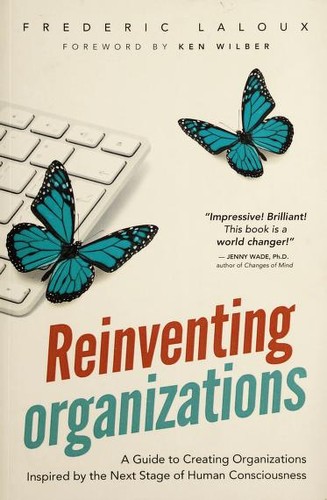
Frederic Laloux
A denser read than the rest of this list, worth it for one concept: "self-management" structures, where decisions get made by whoever's closest to the work through a defined advice process, instead of routed up a hierarchy for approval. You likely can't rebuild your org this way alone, but the advice-process idea works at team scale starting tomorrow.
 ₹₹₹ Premium#7
Kim Scott
A different idea from the book than the usual feedback grid: Scott's distinction between "rock stars," people who want deep mastery in a stable role, and "superstars," people on a steep growth trajectory who want the next challenge fast. New managers default to pushing everyone toward promotion, which quietly punishes your best rock stars for not wanting what you wanted.
 ₹₹ Mid-range#8
Brené Brown
Brown's split between "armored" leadership, perfectionism, always needing to be right, staying guarded, and "daring" leadership, admitting what you don't know yet out loud. New managers default to armor because it feels safer than admitting you're figuring this out in real time. It isn't; people already know.
 ₹₹ Mid-range#9
Michael Bungay Stanier
Stanier's name for the instinct to jump in and solve everything yourself: the "advice monster." The habit worth building before you fall into it permanently: when someone brings you a problem, ask "what have you already tried?" before offering your own answer. Half the time they already know what to do and just needed to say it out loud.
 ₹ Budget#10
Marshall Goldsmith
Goldsmith's real thesis, worth internalizing before anything else on this list: senior success comes from subtracting bad habits, not adding good ones. One specific habit worth checking yourself against: claiming partial credit for an idea that was actually someone else's, even a small amount, even unintentionally. Easy to miss in yourself, obvious to everyone reporting to you.
If you take one thing from this list into tomorrow: you weren't hired to have all the answers immediately, you were trusted to figure them out in front of people who are now watching how you do it. That's a lower bar than it feels like at 2am.
Which of these ten actually fits depends a lot on what specifically is going wrong right now — the quiz below asks about that before it points you anywhere.
Not sure what to read next?
Take the 2-minute quiz