 BooksCurated
Finding the reading guides
16 August 2026
You've done it. Someone brings up a novel at dinner, you nod, say "oh I loved that one," and quietly hope nobody asks what happens in the second half. No judgment. Here are ten books people claim to have read more often than they actually have, with the honest reason each one trips people up, and whether it's worth actually finishing.
(For transparency: this post has affiliate links scattered through it. You pay the same either way; we get a small cut if you buy.)
 ₹ Budget#1
F. Scott Fitzgerald
Everyone read it at sixteen, remembers "the green light," and forgot the rest. It's under 200 pages, so the excuse of length doesn't hold, most people just read it too young to catch that the whole novel is about Gatsby's fabricated backstory, a man who invented himself and got destroyed by the gap between the invention and the truth. Worth an adult reread specifically for that.
 ₹₹ Mid-range#2
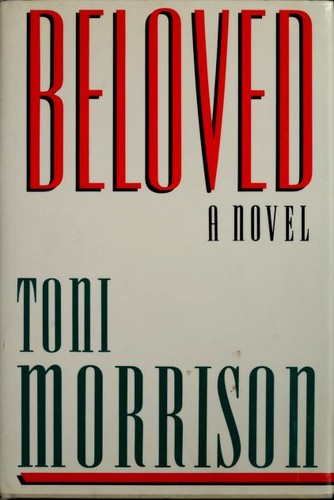
Toni Morrison
Revered constantly, finished rarely, and not because the prose is hard. Morrison deliberately withholds the central event, what actually happened to the baby, for nearly half the book, structuring the story around the trauma of not being able to say it directly rather than around a normal timeline. Know that going in so you don't quit waiting for a plot that hasn't arrived yet, on purpose.
 ₹₹ Mid-range#3
Hanya Yanagihara
The book everyone's seen quoted on a bookstore chalkboard, over 700 pages, and genuinely brutal by design, not by accident. Set expectations before you start, not while you're in it: this is a book built to hurt you slowly, and the prose itself is actually simple and fast to read, so the length is content, not difficulty. My honest take: it's worth it, but don't start it during a hard month.
 ₹₹ Mid-range#4
Donna Tartt
Won the Pulitzer, sold enormously, and by some counts is one of the most purchased, least finished novels of the 2010s. The honest reason: the Vegas section in the middle is genuinely the slowest stretch, and it's where most people who claim to have "read it" actually stopped. Push through, the final third is where the book earns its page count.
 ₹₹ Mid-range#5
Yaa Gyasi
Structured as connected stories following different descendants across generations rather than one continuous plot, which makes it far more finishable in short bursts than its reputation as a "serious literary novel" suggests. A genuinely good pick if the other nine on this list intimidate you.
 ₹₹ Mid-range#6
Donna Tartt
Opens by telling you the murder and the murderer on page one, then spends five hundred pages on why, an inverted mystery where the "who" is already answered and the tension comes entirely from watching the reasoning unravel. Know the structure going in so you're not waiting for a twist that was deliberately given away first.
 ₹₹ Mid-range#7
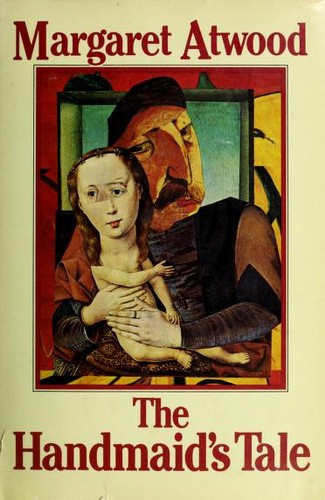
Margaret Atwood
Shorter than its cultural footprint suggests, under 320 pages, and most people who'll tell you they've "read it" actually mean they watched the show. The book's ending is deliberately ambiguous and framed as an academic lecture given generations later, the part the adaptation changed the most, and worth reading for that alone.
 ₹₹ Mid-range#8
Kazuo Ishiguro
The book's central premise reveals itself gradually rather than upfront, no spoilers here, and the emotional gut-punch people describe only lands if you let the quiet, slow first third do its work instead of skimming toward the reveal.
 ₹₹ Mid-range#9
Richard Powers
Nine separate character storylines that don't intersect until deep into the book, which is exactly why most readers stall around chapter four. Worth pushing to where the threads converge, that's where the book's real argument, about trees, and about time scales far bigger than a single human life, actually shows up.
 ₹₹ Mid-range#10
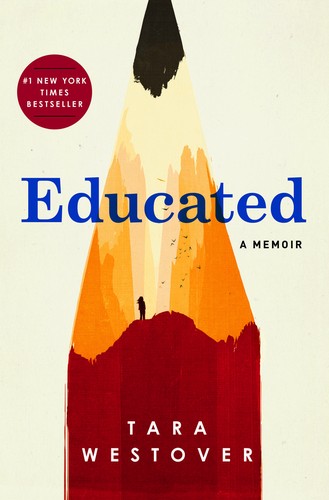
Tara Westover
Technically a memoir, not a novel, but it shows up on more "books everyone claims to have read" lists than most fiction on this page. The honest reason people stop: the middle section, covering her father's worsening extremism, is a harder read than the earlier survival-story chapters. It's also the most important part of the book.
If you only finish one from this list, make it Homegoing. It's the most rewarding for the least reading-stamina required, and it'll make the other nine feel less intimidating afterward.
Not sure which of these actually matches how you read, versus how you'd like to be seen reading? The quiz below sorts that out in two minutes.
Not sure what to read next?
Take the 2-minute quiz