 BooksCurated
Finding the reading guides
29 July 2026
Congratulations cards get read once and end up in a drawer. If someone on your team just got handed their first direct reports, their first budget, or their first real title change, they need something that's still useful the week they have to fire someone or run their first performance review, not a card.
(Heads up: some of what's linked below are affiliate links — same price for you, small commission for us.)
 ₹₹ Mid-range#1
Brené Brown
There's one line here worth gifting on its own: "clear is kind, unclear is unkind." Vague feedback feels polite in the moment but leaves the other person guessing and resentful later; Brown's case is that specificity, even when it stings, is the more respectful choice. A lot to take in for a Tuesday, but that one line changes how you write performance reviews.
 ₹₹ Mid-range#2
Simon Sinek
Sinek's "Circle of Safety" idea, worth explaining to a new manager directly: people only take real risks, admit mistakes, or flag problems early when they trust the room won't punish them for it. Building that trust is slower than issuing a directive, but it's the only thing that actually surfaces bad news before it becomes a crisis.
 ₹₹ Mid-range#3
Jocko Willink
One rule, worth pinning above a new manager's desk: "there are no bad teams, only bad leaders." When something goes wrong, the first question is what you could have communicated or checked differently, not who on the team dropped the ball. The military framing is a lot, but the discipline underneath holds up in an office.
 ₹₹₹ Premium#4
Ray Dalio
The concrete mechanism worth borrowing: "believability-weighted" decision-making, where people who've been right about a topic repeatedly get more say on that topic than people who haven't, regardless of title. It's a genuinely useful idea buried in 600 pages, worth skimming for the frameworks rather than reading start to finish.
 ₹₹₹ Premium#5
Camille Fournier
The rare book that actually maps the org chart: what changes at each rung, from tech lead to manager to director, and what skill you're expected to have already mastered before you get promoted into the next one. If your colleague is confused about what their new title even means day to day, this answers it directly.
 ₹₹ Mid-range#6
John Doerr
The OKR mechanic, explained properly: objectives should be qualitative and ambitious, key results should be quantitative and graded from 0.0 to 1.0, and if your team is hitting 1.0 every quarter, the goals were set too low on purpose. Doerr's real point is that OKRs are meant to feel slightly uncomfortable.
 ₹₹₹ Premium#7
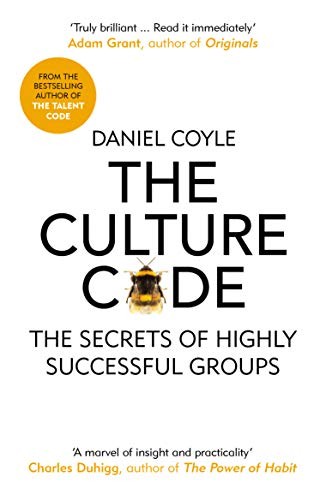
Daniel Coyle
Coyle's "vulnerability loop": one person admits a small weakness or asks for help first, and that single act measurably raises the odds the other person opens up too. New leaders often think vulnerability is a risk to their authority; Coyle's research says it's the fastest way to build the trust that authority actually depends on.
 ₹₹ Mid-range#8
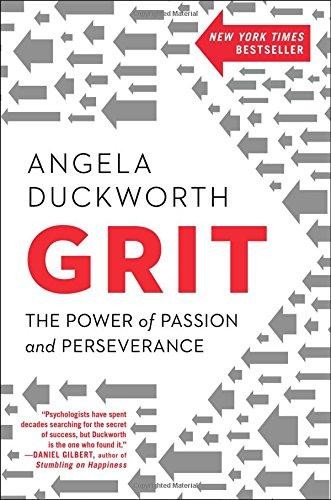
Angela Duckworth
Duckworth's formula, worth sitting with: talent times effort equals skill, and skill times effort equals achievement, which means effort counts twice. Useful for a new manager evaluating a team member who's talented but inconsistent versus one who's steady but unglamorous.
 ₹₹ Mid-range#9
David Epstein
The finding worth knowing before promoting someone into a specialist role too early: across most fields, people who sample widely before narrowing down end up with a real edge over early specializers, because they've built a bigger library of problems they've already half-solved before. Chess and golf are the exceptions Epstein flags himself, worth reading if your colleague's field feels more like those two.
 ₹₹₹ Premium#10
D. Michael Abrashoff
The concrete move, not just the philosophy: Abrashoff personally interviewed every sailor on his ship and asked three questions, then acted on what he heard within a week. It wasn't the interviews that built trust, it was how fast the answers turned into visible change, a lesson that transfers directly to a new manager's first month.
None of these will out-perform actually clearing their calendar for the first two weeks so they're not managing a crisis and learning the job at the same time. But if you can only do one, do that.
A first-time manager and someone five years into leading teams need pretty different books — the quiz below asks enough about your colleague to tell the two apart.
Not sure what to read next?
Take the 2-minute quiz