 BooksCurated
Finding the reading guides
4 September 2026
"Mindfulness" gets used for everything from a clinical stress-reduction program run out of a hospital to genuinely mystical claims about energy and past lives. Both exist on this list, and they're not sorted the same way. Here's an honest map of where each one sits, so you know what you're actually picking up.
(One disclosure before we start: a few links below are affiliate ones. Doesn't change your price, earns us a small commission.)
 ₹₹₹ Premium#1
Jon Kabat-Zinn
Kabat-Zinn's definition, the most-cited in the field for a reason: mindfulness is "paying attention in a particular way: on purpose, in the present moment, and non-judgmentally." No metaphysics required, just a specific, learnable skill. Good starting point if you want the practice without any belief system attached.
 ₹₹₹ Premium#2
Jon Kabat-Zinn
The actual clinical program, MBSR (Mindfulness-Based Stress Reduction), developed at UMass Medical Center and still used in hospitals today. The core technique, the body scan, systematically moving attention through the body noticing sensation without trying to change it, has real clinical trial data behind it. About as skeptic-proof as this list gets.
 ₹₹ Mid-range#3
Thich Nhat Hanh
The practice worth trying today: wash the dishes only to wash the dishes, not to get them out of the way so you can do something else. Thich Nhat Hanh's whole approach is finding meditation inside ordinary tasks rather than requiring you to sit on a cushion for an hour, which makes it one of the easiest entry points on this list.
 ₹₹ Mid-range#4
Dan Harris
Written by a news anchor who had an on-air panic attack and went looking for something that actually worked, with the explicit skepticism of a journalist throughout. His honest line about the inner monologue, that the voice in your head is "kind of a jerk," makes this the funniest and least earnest book on the list.
 ₹₹ Mid-range#5
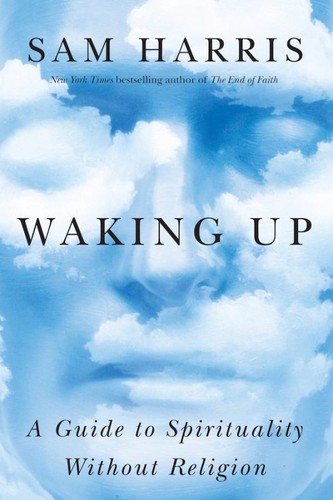
Sam Harris
The most explicitly secular book here. Harris, a neuroscientist and vocal atheist, makes the case that meditation and even "spiritual" experience can be pursued and studied without any religious framework at all. If the word "spirituality" alone makes you suspicious, start here.
 ₹₹₹ Premium#6
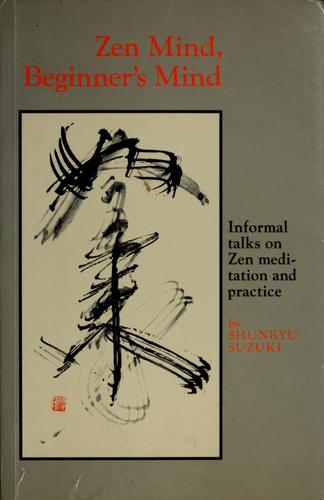
Shunryu Suzuki
The line worth sitting with: "in the beginner's mind there are many possibilities, in the expert's mind there are few." A short, plainly written introduction to Zen practice that spends more time on posture and daily discipline than on doctrine.
 ₹₹ Mid-range#7
Eckhart Tolle
Here's the honest caveat: this is the most metaphysical book on the list, built around concepts like "the pain body" and ego dissolution that go well beyond a stress-reduction technique. Worth reading with that expectation set rather than discovering the tone shift halfway through, if you want practice over philosophy, start elsewhere on this list first.
 ₹₹₹ Premium#8
Tara Brach
Brach is a clinical psychologist as well as a meditation teacher, which shows in the book's structure. Her RAIN technique, recognize, allow, investigate, nurture, is a concrete four-step tool for sitting with a difficult emotion instead of either suppressing it or being swept away by it.
 ₹₹ Mid-range#9
Pema Chödrön
Refreshingly unflinching about how hard practice actually is. Chödrön's core argument is that the goal isn't comfort, it's learning to stay present with genuine uncertainty and groundlessness instead of constantly reaching for something solid to hold onto. Less "find your bliss," more "here's how to sit with things not being okay."
 ₹₹₹ Premium#10
Stephen Batchelor
The most literal answer to "for skeptics" on this list. Batchelor strips out the supernatural claims, rebirth, karma as a cosmic ledger, and treats Buddhism as a practical method for examining your own mind rather than a religion requiring belief. A good closing read after any of the others here.
If you're deciding where to start based purely on skepticism level: Full Catastrophe Living and Waking Up ask you to believe the least. The Power of Now asks you to believe the most. Everything else falls somewhere in between.
Skepticism level is only half of it, though — the quiz below also asks what you're actually trying to get out of the practice before it narrows things down.
Not sure what to read next?
Take the 2-minute quiz