 BooksCurated
Finding the reading guides
6 September 2026
Half the parenting section is written like you're already failing and this book is your last chance to fix it. That tone doesn't actually help anyone at 2am with a screaming toddler. These ten explain things without making you feel worse for not already knowing them.
(Quick note: some of what's linked below are affiliate links. Doesn't cost you anything more, earns us a small commission.)
 ₹ Budget#1
Adele Faber and Elaine Mazlish
The specific swap worth making today: instead of jumping straight to advice or logic when your kid is upset, acknowledge the feeling first with just a word, "Oh." "Mmm." "I see." Faber and Mazlish's whole book is full of exact "instead of this, try this" scripts, which makes it one of the most immediately usable books on this list.
 ₹₹ Mid-range#2
Daniel J. Siegel and Tina Payne Bryson
Try this mid-meltdown: "name it to tame it." Putting simple words to a big feeling, "you're really frustrated," engages the more logical part of the brain and measurably calms the emotional flooding happening in the moment. Doesn't fix everything, but it's a genuinely fast, low-effort first move.
 ₹₹₹ Premium#3
Daniel J. Siegel and Tina Payne Bryson
The core idea worth internalizing: "connection before correction." A child's brain genuinely can't absorb a lesson while it's still in a stress response, so calming the moment has to come before the teaching does, not after it, and definitely not at the same time.
 ₹₹ Mid-range#4
Emily Oster
Written by an economist, not a parenting guru, and it shows in the best way: actual effect-size data on breastfeeding, sleep training, screen time, and more, instead of folk wisdom dressed up as fact. The explicit point of the book is that many "musts" you've been guilted about have thinner evidence behind them than the tone around them suggests.
 ₹₹₹ Premium#5
Emily Oster
Same economist, same approach, aimed at pregnancy specifically, alcohol, caffeine, bed rest, and the actual research behind each rule you've been handed. Good to read before Cribsheet if you're earlier in the process, same judgment-reducing, data-first spirit throughout.
 ₹₹₹ Premium#6
Pamela Druckerman
The French concept worth borrowing: "le cadre," the frame, meaning a small number of firm, non-negotiable limits with real freedom inside them, rather than negotiating every single rule constantly. Also useful: "the pause," waiting a beat before rushing in when a baby stirs at night, since babies cycle through light sleep and don't need immediate intervention every time.
 ₹₹ Mid-range#7
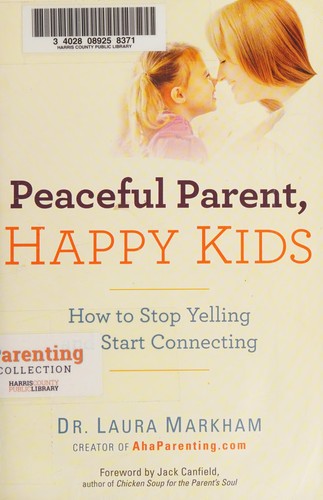
Laura Markham
The sequence worth memorizing: regulate, relate, then reason. Calm your own nervous system first, reconnect with your kid second, and only then try to explain or problem-solve. Skipping straight to reasoning while you're both activated is, per Markham, the move that usually backfires.
 ₹₹ Mid-range#8
Kim John Payne
The core thesis, refreshingly low-effort compared to most advice on this list: reducing the sheer volume of toys, scheduled activities, and information a child is exposed to often reduces their anxiety more directly than any single new technique would. Less to buy, less to schedule, not more.
 ₹₹₹ Premium#9
Wendy Mogel
Drawing on Jewish teachings, Mogel's honest argument is that protecting kids from every small hardship, a skinned knee, a lost game, a hard grade, quietly deprives them of the exact experiences that build resilience later. Direct without being preachy about it, and refreshingly willing to say "you're overdoing it" gently rather than harshly.
 ₹₹₹ Premium#10
Julie Lythcott-Haims
Written by a former Stanford dean who watched "overparenting" arrive on campus as anxious, underprepared eighteen-year-olds who'd never done their own laundry or advocated for themselves. Her fix starts absurdly small: let a five-year-old carry their own bag, let an eight-year-old make their own phone call. Competence gets built in tiny increments, not handed over all at once at eighteen.
If today was hard, start with Cribsheet or Expecting Better. Nothing resets the guilt faster than actual data instead of someone else's tone.
A toddler meltdown and a teenager who's stopped talking to you call for genuinely different books — the quiz below asks which stage you're actually in.
Not sure what to read next?
Take the 2-minute quiz