 BooksCurated
Finding the reading guides
30 August 2026
Someone cuts you off in traffic and you're furious for twenty minutes. A coworker gives a vague answer instead of a direct one, and it takes you a day to figure out why. Most of what confuses us about people, including ourselves, has an actual explanation. These ten books have a lot of it.
(Worth saying upfront: some links below are affiliate links — same price for you, small commission for us if you buy.)
 ₹₹₹ Premium#1
Daniel Kahneman
The core split worth knowing: System 1 is fast, automatic, and emotional (it decides who you dislike in a room within seconds), System 2 is slow, effortful, and logical (it's what you use to do actual math). Almost everything embarrassing about human judgment, from snap opinions to bad financial decisions, is System 1 running the show while System 2 is asleep at the wheel.
 ₹₹ Mid-range#2
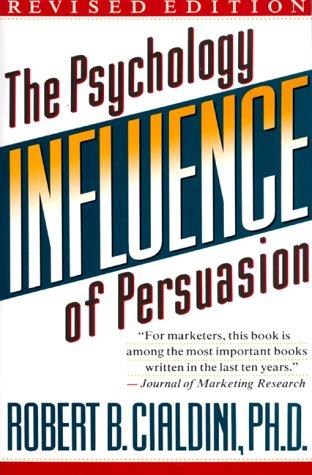
Robert Cialdini
Watch for this one the next time a salesperson does you a small favor before asking for something: reciprocity, the deep discomfort most people feel receiving something without giving back, which is why free samples work far better than they logically should. Once you can name the lever, it stops working on you nearly as well.
 ₹₹ Mid-range#3
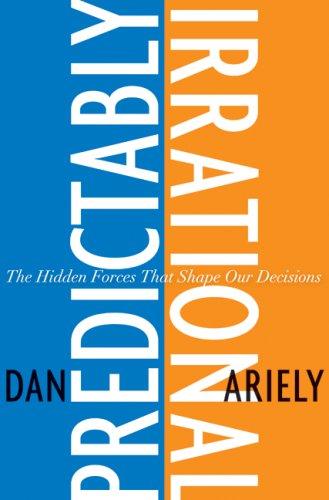
Dan Ariely
Ariely's magazine-subscription experiment is the one to remember: adding a deliberately bad middle option (print-only at the same price as print-plus-digital) made people choose the expensive bundle far more often, purely by making it look like the obvious deal by comparison. Nothing you decide is "irrational" in a vacuum, it's irrational relative to whatever's sitting next to it.
 ₹₹₹ Premium#4
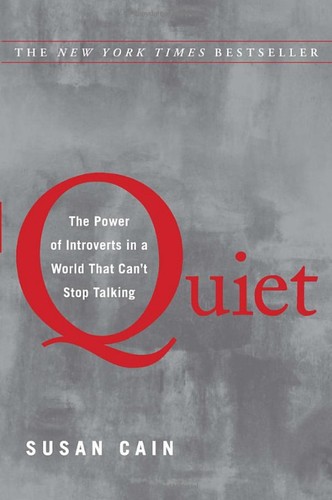
Susan Cain
The concept worth borrowing even if you're an extrovert: everyone has a "restorative niche," the specific conditions under which they recharge, quiet and low-stimulation for introverts, social and high-energy for extroverts. Forcing either type into the other's niche for too long, Cain argues, is where burnout actually comes from.
 ₹₹ Mid-range#5
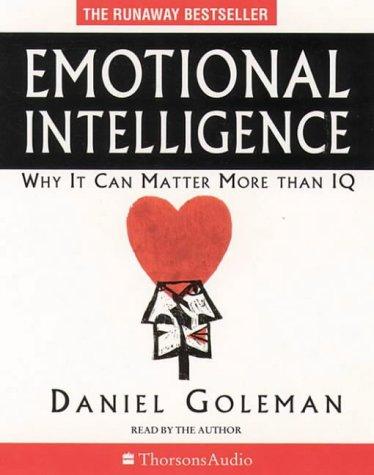
Daniel Goleman
The mechanism worth knowing before your next argument: an "amygdala hijack," where a perceived threat triggers a full emotional response before your slower, rational prefrontal cortex gets a vote. It's why you can say something in anger you'd never have chosen with ten more seconds to think, and why that ten-second pause is the actual skill.
 ₹ Budget#6
Viktor Frankl
Written from Frankl's experience in Nazi concentration camps, the line worth carrying: "the last of the human freedoms" is choosing your attitude in any given set of circumstances, even ones you can't change or escape. Not a productivity hack, a genuinely hard-won idea from someone who tested it under the worst possible conditions.
 ₹₹₹ Premium#7
Jonathan Haidt
Haidt's central metaphor: your rational mind is a small rider sitting on top of an elephant, your automatic emotional processes. Telling the elephant to just behave rarely works, and the actual skill is training the elephant, or changing its path, rather than fighting it head-on.
 ₹₹₹ Premium#8
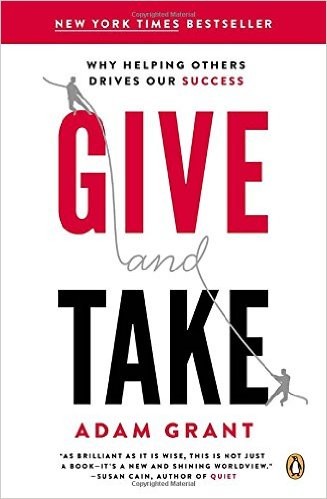
Adam Grant
Grant's counterintuitive finding: givers occupy both the very bottom AND the very top of every success metric he studied. The burned-out givers who say yes to everyone sink; the "otherish" givers, generous but with real boundaries around their own energy, consistently rise higher than pure takers do.
 ₹₹₹ Premium#9
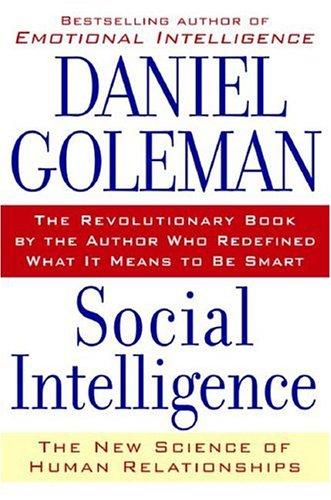
Daniel Goleman
Goleman's follow-up to Emotional Intelligence, focused outward: your brain is wired to pick up and mirror the emotional state of whoever you're with, often before you consciously register why you suddenly feel tense or calm in someone's presence. Useful to know the next time a room's mood shifts and you can't explain it.
 ₹₹ Mid-range#10
Eric Berne
The foundational transactional analysis book: people default to Parent, Adult, or Child "ego states" in conversation, and a lot of recurring conflict is a repeated "game," a predictable script with a hidden emotional payoff for at least one person, not a series of unrelated arguments. Once you can name the game your family or team keeps replaying, it's much harder to keep playing along.
If you only read one: Thinking, Fast and Slow is the densest but the one that changes the most decisions after you've finished it, financial, professional, and otherwise.
These ten come at "why people do things" from different angles — the quiz below figures out which angle is actually useful to you right now.
Not sure what to read next?
Take the 2-minute quiz