 BooksCurated
Finding the reading guides
18 August 2026
The thing that keeps people out of science fiction usually isn't the science, it's the fear of walking into chapter one and immediately drowning in made-up words with no map. These ten don't do that. Some ease you in, a couple are worth the slightly steeper climb, and one honest warning is attached to the hardest one on the list.
(Disclosure: this post includes affiliate links. They don't change your price, they earn us a small commission.)
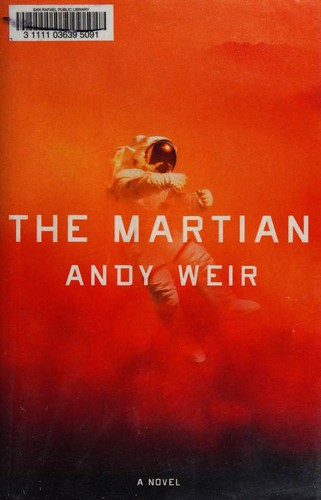 ₹₹ Mid-range#1
Andy Weir
Structured as one engineering problem solved after another, told mostly through a stranded astronaut's own log entries, which means you learn everything he knows exactly when he learns it. No prior sci-fi knowledge required, it reads closer to a survival thriller that happens to be set on Mars.
 ₹₹ Mid-range#2
Andy Weir
Same accessible, problem-solving structure as The Martian, but opens with the narrator waking up with no memory of who he is or why he's on the ship, which means the reader discovers the plot's biggest ideas at the exact same pace as he does. Genuinely one of the best entry points into the genre regardless of age or prior reading habits.
 ₹₹ Mid-range#3
Orson Scott Card
Written originally for teenagers, which shows in the best way: short chapters, minimal world-building homework upfront, and a plot that moves fast enough that the sci-fi setting never feels like the point, the strategy and the characters are.
 ₹₹ Mid-range#4
Suzanne Collins
Technically science fiction, a dystopian future most people don't clock as "sci-fi" because the film adaptation made it mainstream first. A good bridge if you've watched more sci-fi than you've read, the book's internal narration gives you far more of Katniss's actual reasoning than the movies had time for.
 ₹₹ Mid-range#5
Pierce Brown
Structured like a heist-and-revenge thriller wearing a sci-fi setting, with chapters short and propulsive enough that the unfamiliar terminology stops feeling like homework within the first fifty pages. Start here if you want plot over world-building.
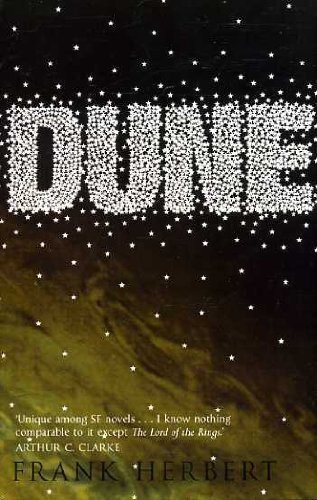 ₹₹₹ Premium#6
Frank Herbert
The one every sci-fi reader will tell you to start with, and the one honest caveat on this list: the first hundred pages genuinely are a slog of unfamiliar terms and political factions you haven't met yet. It's worth pushing through anyway, the payoff once the political plot locks into place is why this book is still the genre's reference point sixty years later.
 ₹₹ Mid-range#7
Neal Stephenson
Opens with a literal high-speed pizza-delivery chase involving a character actually named Hiro Protagonist. Self-aware, funny, and refuses to take itself too seriously, which makes it one of the friendlier doors into cyberpunk specifically.
 ₹ Budget#8
Adrian Tchaikovsky
Alternates between a human storyline and a genuinely accessible non-human civilization's storyline, which sounds like a harder sell than it turns out to be. The second storyline ends up being the most emotionally gripping part of the book, worth trusting the setup even if it seems strange in chapter one.
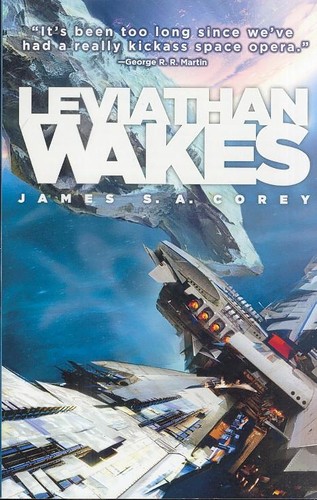 ₹₹ Mid-range#9
James S.A. Corey
Written by two authors under one pen name, structured like a detective noir dropped into a space setting, plot-forward with minimal hard-science homework required. Good pick if what you actually enjoy is mystery novels and you're testing whether sci-fi can scratch the same itch.
 ₹₹ Mid-range#10
Liu Cixin
The hardest recommend on this list for a true first-timer, the physics concepts are real homework in places, so treat this as the "next" pick once the other nine have you hooked, not the starting point. Worth it once you're ready.
If you read one and nothing else clicks, that's useful information too, not every list is for every reader. But give The Martian or Project Hail Mary a real chance before deciding the genre isn't for you.
Whether you'd rather ease in or jump straight to the deep end is exactly the kind of thing the quiz below asks about before matching you to something.
Not sure what to read next?
Take the 2-minute quiz