 BooksCurated
Finding the reading guides
10 September 2026
Every founder's shelf has a few books that are there for show and a few that actually get reread, quoted in Slack, and recommended unprompted to other founders. This list is trying for the second kind.
(Should mention: a few links below are affiliate ones, at no extra cost to you either way.)
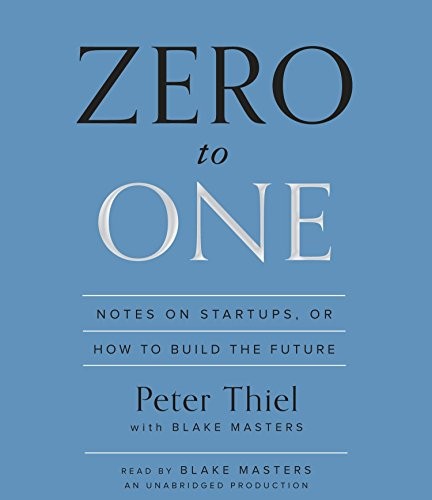 ₹ Budget#1
Peter Thiel
The framing worth stealing for your own pitch: going from 0 to 1, building something genuinely new, is fundamentally different from going from 1 to n, copying and scaling something that already exists. Thiel's actual interview question, "what important truth do very few people agree with you on," is a better filter for an idea than most pitch decks manage in ten slides.
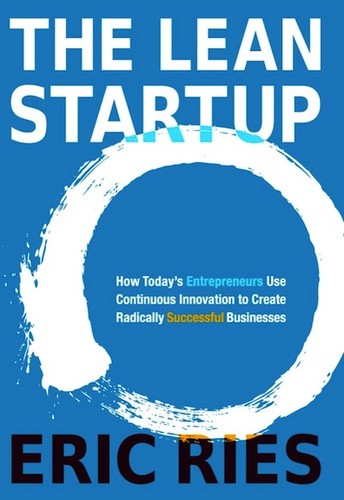 ₹₹ Mid-range#2
Eric Ries
This is where "build-measure-learn" comes from, still the default vocabulary in most startup conversations a decade later: ship the smallest possible version of an idea, measure what actually happens, and let that data decide the next move instead of your own conviction. The term "MVP" that gets thrown around in every planning meeting comes directly from this book.
 ₹₹ Mid-range#3
Ben Horowitz
The most honest book on this list, and refreshingly unglamorous for it: Horowitz writes directly about layoffs, losing your best people, and decisions with no good option, "the struggle," instead of the tidy origin-story version most startup books tell. If you're tired of survivorship-bias narratives, start here.
 ₹₹₹ Premium#4
Rob Fitzpatrick
The one rule worth remembering before your next customer call: never ask people if they like your idea, because most people are too polite to say no to your face. Ask instead about their actual past behavior and specific problems, the questions your own mother couldn't lie her way through even if she wanted to protect your feelings.
 ₹₹₹ Premium#5
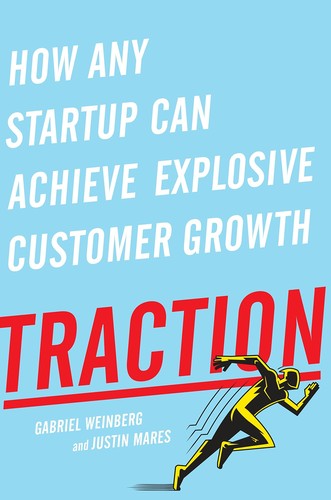
Gabriel Weinberg and Justin Mares
The "Bullseye Framework," a structured way to systematically test which of roughly nineteen possible marketing channels actually works for your specific product, instead of guessing based on whichever channel is trendiest that quarter. Less inspiring than most startup advice, considerably more useful.
 ₹₹ Mid-range#6
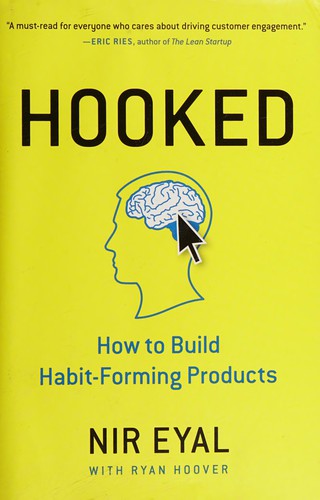
Nir Eyal
The four-step "hook model" behind most habit-forming products: trigger, action, variable reward, investment. Genuinely useful for building a product people come back to on their own, and worth reading with some ethical awareness given it's the same loop behind a lot of the apps you wish you checked less.
 ₹₹ Mid-range#7
Andrew Chen
The specific challenge most startup advice skips: how do you bootstrap a two-sided network, like a rideshare app needing both riders and drivers, when it's useless to either side until the other side already exists in enough numbers? Chen's case studies on how companies solved this one problem are worth the book on their own.
 ₹₹₹ Premium#8
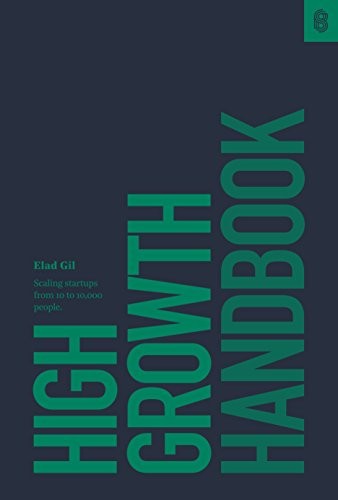
Elad Gil
An honest caveat worth stating upfront: this is an operational playbook for later-stage scaling, board management, hiring executives, international expansion, not a book for someone still looking for product-market fit. Save it for after you've found traction, not before.
 ₹₹ Mid-range#9
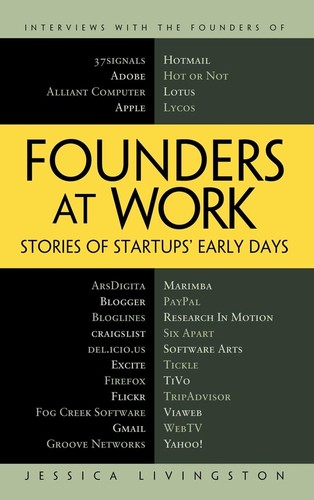
Jessica Livingston
An oral history, interview transcripts with early founders of companies like PayPal and Apple, told in their own words before the polished version of the story existed. The best counter on this list to survivorship-bias narratives, because you get the actual mess, not the retrospective clean-up.
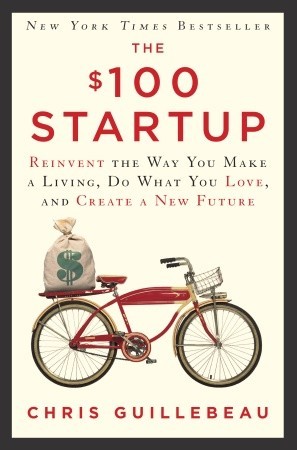 ₹₹ Mid-range#10
Chris Guillebeau
Worth knowing it's a different animal than the rest of this list: bootstrapped, low-capital businesses built around one person's specific skill, not the venture-funded, hypergrowth playbook everything above assumes. If "startup" to you means a side business you can run without raising a cent, start here instead of Zero to One.
If you're pre-product-market-fit, start with The Mom Test and The Lean Startup. High Growth Handbook can wait, you'll know when you need it.
Pre-launch and post-traction founders need almost opposite books — the quiz below places you on that timeline before recommending anything.
Not sure what to read next?
Take the 2-minute quiz