 BooksCurated
Finding the reading guides
22 July 2026
Nobody teaches money in college. You graduate, a salary lands in your account, and suddenly you're supposed to understand SIPs, tax regimes, credit cards, and why your uncle keeps saying "buy gold." Most of us learn by losing a little money first.
Books are cheaper than mistakes. These ten are where I'd start, roughly in reading order.
(Fair to mention: a few links below are affiliate links, at no extra cost to you if you buy through one.)
 ₹ Budget#1
Morgan Housel
Carry this one forward: aim for "reasonable" financial decisions you can actually stick with through a bad year, not the mathematically "optimal" ones a spreadsheet says are best. The investor who stays invested through a crash usually beats the one with the better strategy who panic-sold.
 ₹₹₹ Premium#2
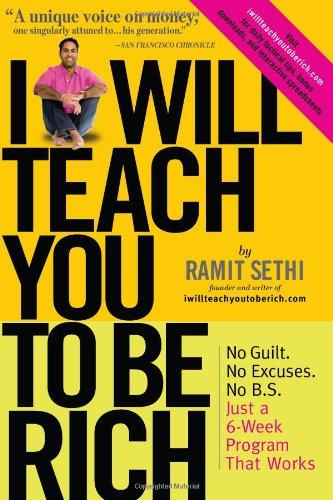
Ramit Sethi
Sethi's concrete system, adjustable to Indian account names: split every paycheck into four buckets, fixed costs, long-term savings, investments, and guilt-free spending, then automate the transfers on salary day so the decision only gets made once, not every month.
 ₹ Budget#3
George S. Clason
The specific number the parables keep repeating: save at least one-tenth of everything you earn, set aside before a single rupee goes to rent or bills. A hundred years old, and still the cleanest rule in personal finance.
 ₹ Budget#4
Robert Kiyosaki
The definition worth keeping even if you skip everything else: an asset puts money in your pocket every month, a liability takes money out, whatever it looks like on paper. By that definition your own home, which costs EMI and maintenance every month, is a liability, not an asset, a genuinely useful reframe in a culture that treats owning property as the finish line.
 ₹₹ Mid-range#5
Vicki Robin
The exercise worth actually doing: calculate your real hourly wage, salary divided by every hour the job costs you including commute and the time you spend recovering from it, then price your next big purchase in hours of your life instead of rupees. It changes what feels worth buying faster than any budgeting app.
 ₹₹ Mid-range#6
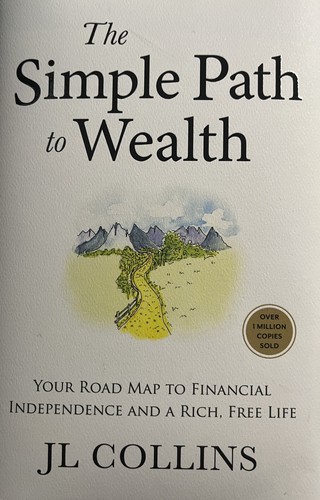
JL Collins
Collins' actual advice, stripped of the letters-to-his-daughter framing: put your investing on autopilot into a low-cost index fund and stop checking it daily. His sharpest argument is against actively managed funds specifically, most underperform a plain index after fees, worth knowing before you pick a mutual fund in India too.
 ₹₹ Mid-range#7
Erin Lowry
One specific script from the book, useful the next time a friend group plans something you can't afford: "That sounds fun, but it's not in my budget right now, can we do something cheaper?" Lowry's whole point is that the awkwardness of saying that sentence is smaller than the debt you didn't want.
 ₹₹ Mid-range#8
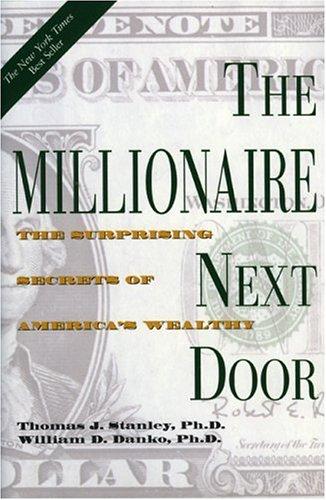
Thomas Stanley
The formula from the research, worth running on yourself: multiply your age by your annual income, divide by ten. That's roughly what your net worth should be if you're accumulating wealth at an average rate for your income. Below that, spending is outpacing saving more than you might think.
 ₹₹ Mid-range#9
Tony Robbins
The number worth remembering the next market crash: missing just the ten best trading days over a couple of decades can cut your total returns by close to half, and those best days almost always come right after the scariest ones. Stay invested through the ugly part, because you can't reliably time getting back in.
 ₹₹ Mid-range#10
Benjamin Graham
Two ideas worth extracting even if you never finish the book: Mr. Market, Graham's allegory for a manic business partner who offers you a different price every single day, you're never obligated to trade with him just because he's shouting a number. And margin of safety, buying with enough cushion below what something's actually worth that you're protected even if your own analysis turns out wrong.
The thing none of these books say loudly enough for India specifically: your biggest early wins are boring. An emergency fund, term insurance, and a simple index SIP will beat every hot tip your office WhatsApp group produces.
Whether you're at "haven't opened a demat account yet" or "already investing but guessing" changes which of these actually helps — the quiz below tells them apart.
Not sure what to read next?
Take the 2-minute quiz