 BooksCurated
Finding the reading guides
14 July 2026
Here's an uncomfortable stat from my own bookshelf: I've read maybe thirty productivity books. The number that changed what I actually do on a Tuesday afternoon? Four, maybe five. The rest were entertainment dressed up as self-improvement.
So this list has one filter: does the book survive contact with real life? Not "did it feel inspiring on the beach," but "six months later, is anything different?"
(One housekeeping note: some links below are affiliate links. No extra cost to you, small commission to us.)
 ₹₹ Mid-range#1
James Clear
The two-minute rule, explained properly: shrink any new habit down to something that takes under two minutes. "Read more" becomes "read one page." "Work out" becomes "put on my shoes." The point isn't the page or the shoes, it's that you show up and become the kind of person who reads, who exercises, before you try to scale it up. Pair that with habit stacking, "after [thing I already do], I will [new habit]," and you've got two free techniques you can start using before you finish this paragraph. Yes, everyone recommends this book. Everyone is right.
 ₹ Budget#2
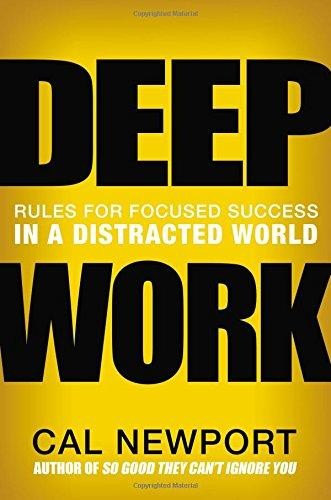
Cal Newport
Try this today: block 90 minutes on your calendar, phone in another room (not just face-down, a different room), one task, no tabs. Newport's research says this single block will outproduce most people's entire distracted day. His other useful idea is a "shutdown ritual," a fixed phrase or short routine you do at the end of work that tells your brain the workday is actually over, so it stops intruding on your evening.
 ₹₹ Mid-range#3
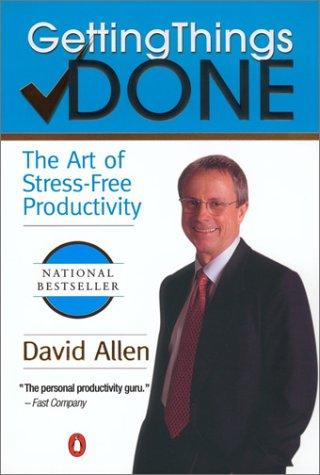
David Allen
Skip the full system, most people do. Steal two habits instead: capture every task, worry, and half-formed idea into one place the moment it occurs to you, instead of trying to hold it in your head. Then, for anything on that list, ask "what's the very next physical action?" not "finish the project," but "email Raj to confirm the date." Vague tasks stall. Physical next-actions get done.
 ₹₹ Mid-range#4
Greg McKeown
McKeown's actual filter, use it on your next request: if it's not a clear "hell yes," it's a no. Not "maybe," not "let me think about it." That single reframe kills the guilty-maybe that fills up most people's weeks with things they never wanted to do in the first place.
 ₹₹ Mid-range#5
Gary Keller
One real question, worth writing on a sticky note: "What's the one thing I can do such that, by doing it, everything else becomes easier or unnecessary?" It works because most goals have a domino, one early action that knocks down several later problems for free. Find your domino before you make the to-do list.
 ₹₹ Mid-range#6
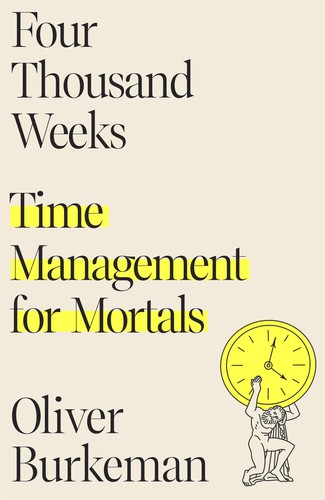
Oliver Burkeman
The permission slip hiding in this book: you will never reach Inbox Zero, on your inbox or your life, so stop scheduling your happiness for after you do. Burkeman's practical move is picking three priorities and consciously letting everything else be "sad but okay to not get to," instead of quietly failing at twelve things. I expected to hate this book. It's the one I think about most.
 ₹₹ Mid-range#7
Nir Eyal
Written by the person who wrote the book on making apps addictive, which is either ironic or exactly the expertise you want. His core move: before blaming your phone, name the actual internal trigger, boredom, anxiety, loneliness, that sent you reaching for it. The phone is rarely the real problem. Then time-box your calendar for what you actually value, so distraction has less empty space to fill.
 ₹₹ Mid-range#8
Charles Duhigg
The loop worth knowing: cue, routine, reward. Every habit runs on it, and you can't delete a bad habit, only replace the routine while keeping the same cue and reward. Duhigg's case studies (a gambling addict, a struggling football team, a hesitant company) make that abstract loop concrete enough that you'll actually remember it.
 ₹₹ Mid-range#9
BJ Fogg
Fogg's method starts almost insultingly small, floss one tooth, do two pushups, and that's on purpose: ambitious plans fail, tiny ones don't. His real insight is what happens right after: celebrate immediately, a genuine "yes!" or fist pump, the moment you do the tiny thing. That flash of positive emotion, not willpower, is what actually wires the habit in.
 ₹ Budget#10
Steven Pressfield
Not a system, a diagnosis. Pressfield's claim: Resistance, his name for the force that keeps you from starting, is always strongest right before the work that matters most to you. So the fact that you're avoiding something hard is actually a signal it's worth doing. His other idea worth keeping: "turn pro," meaning show up and do the work on schedule whether you feel inspired or not. Amateurs wait for the mood. Professionals don't.
The honest caveat: no book on this list works if you read it the way most of us read productivity books, nodding along and changing nothing. Pick one. Apply one idea for a month. That beats reading all ten.
Not sure which of these fits how you actually work and read? That's literally what our quiz is for.
Not sure what to read next?
Take the 2-minute quiz